Men's Health
Do Indian Men Need a Daily Multivitamin? The Diet Data
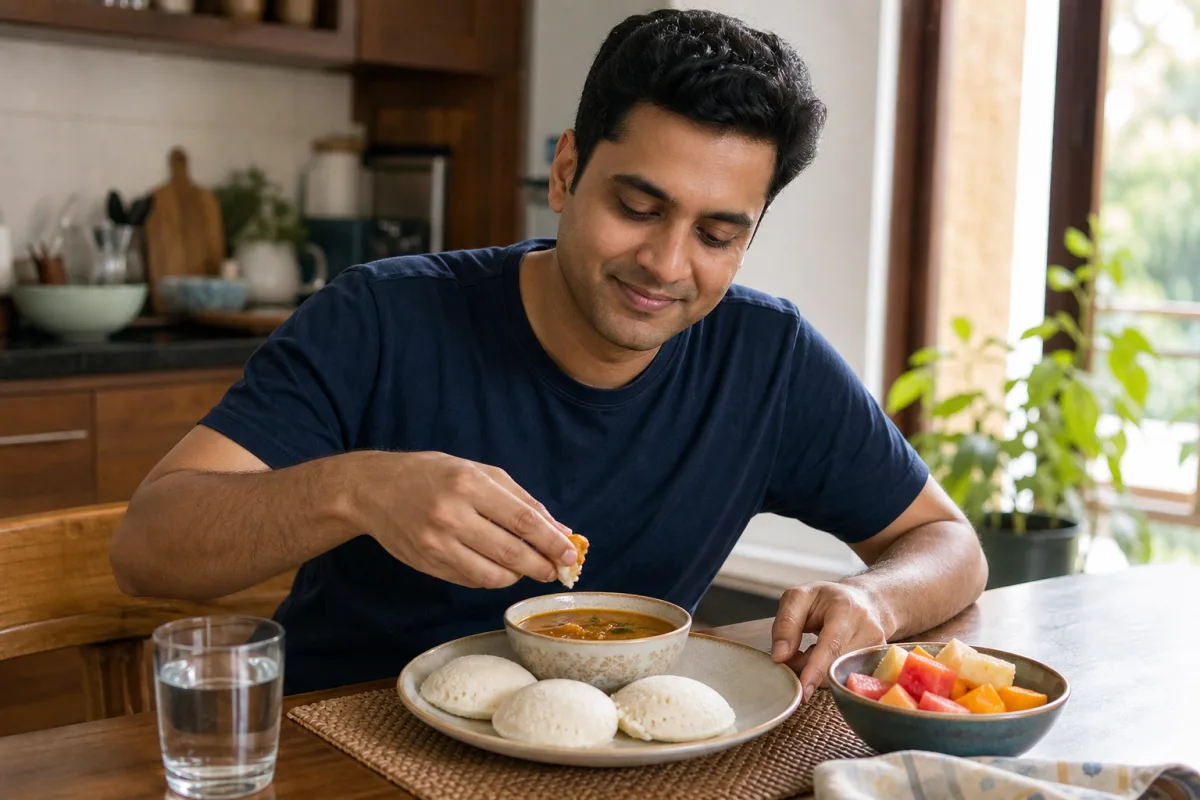
Most Indian men do not need a multivitamin if their diet is genuinely varied, but national diet surveys suggest many fall short on specific nutrients such as vitamin D, vitamin B12 and sometimes iron or zinc. Whether you personally need one depends on your eating pattern, lifestyle and health status, not on age or gender alone. This article looks at what the diet data actually shows before you decide.
What Indian diet surveys actually show
Large-scale nutrition surveys conducted under ICMR-NIN (Indian Council of Medical Research – National Institute of Nutrition) have repeatedly found that average intakes of certain micronutrients fall below the Recommended Dietary Allowance (RDA) for a meaningful share of the population. This does not mean everyone is deficient — it means that on average, diets skew short in a few specific areas, largely due to food choices, cooking methods and limited sun exposure rather than a lack of food itself.
The nutrients that come up most often in Indian dietary data are:
- Vitamin D – despite plentiful sunshine, indoor work, pollution, and cultural covering of skin mean many urban Indian men have low vitamin D status.
- Vitamin B12 – found mainly in animal foods; a concern for the large vegetarian population and those who eat meat, egg or dairy only occasionally.
- Iron – intakes can be inadequate in some groups, particularly where diets are heavy in cereals and low in pulses, green vegetables or animal-source iron.
- Calcium – often below RDA where dairy intake is low.
- Zinc and certain B-vitamins – can be marginal in diets dominated by refined grains rather than whole grains, pulses and nuts.
It is worth being cautious here: population averages hide a lot of individual variation. A man eating a traditional home-cooked thali with dal, vegetables, curd and occasional egg or fish is likely doing far better than these averages suggest.
Why the modern Indian lifestyle adds to the gap
Several everyday patterns in urban India can widen the gap between what we eat and what our bodies need:
- Long indoor working hours in air-conditioned offices reduce sun exposure needed for the skin to make vitamin D.
- Skipped or rushed breakfasts and reliance on packaged or restaurant food can mean fewer vegetables, pulses and whole grains across the week.
- High processed-food intake in metros often displaces nutrient-dense traditional foods without fully replacing their micronutrient content.
- Shift work and irregular meal timings, common in IT, healthcare and manufacturing jobs, make consistent, balanced eating harder.
- High mental and physical stress combined with poor sleep can increase the body's requirement for certain B-vitamins and antioxidants, though research on exact extra amounts needed is still evolving.
None of these factors alone causes deficiency, but together they explain why survey data and individual experience often don't match — someone may eat "enough" food by volume while still falling short on specific vitamins and minerals.
Food sources vs typical shortfall: a quick comparison
Before considering a supplement, it helps to know which everyday Indian foods already supply these nutrients — and how easy or hard it is to get enough from diet alone.
| Nutrient | Common Indian food sources | Why intake often falls short |
|---|---|---|
| Vitamin D | Sunlight exposure, fortified milk, egg yolk, fatty fish | Limited sun exposure indoors; few naturally rich food sources |
| Vitamin B12 | Milk, curd, paneer, egg, meat, fish | Absent in strictly plant foods; low in irregular dairy/egg eaters |
| Iron | Dal, leafy greens, jaggery, meat, fortified cereals | Plant-based iron is less easily absorbed; low intake of vitamin C alongside meals reduces uptake |
| Calcium | Milk, curd, ragi, sesame seeds, green leafy vegetables | Low dairy intake or lactose intolerance |
| Zinc | Whole grains, pulses, nuts, seeds, dairy | Refined grains and low pulse/nut intake reduce zinc intake |
Who is more likely to benefit from a multivitamin
A well-balanced diet remains the foundation, but certain groups of Indian men are more likely to have genuine gaps that a daily multivitamin can help address:
- Strict vegetarians and vegans, especially those who rarely eat dairy or eggs, due to vitamin B12 risk.
- Men who work mostly indoors with little midday sun exposure, relevant to vitamin D.
- Frequent travellers or those eating out often, where meals may lack variety in vegetables and pulses.
- Men over 40, when absorption of some nutrients like B12 can decline gradually.
- Those recovering from illness, on restrictive diets, or with high physical training loads, where nutrient needs or losses are higher.
If none of these apply and you eat a genuinely varied, home-cooked diet most days, a multivitamin is more of a convenient safety net than a necessity.
When to consult a doctor first
Men with diagnosed conditions such as kidney disease, liver disease, or those on regular medication (including blood thinners) should speak to a doctor before starting any supplement, as certain vitamins and minerals can interact with medicines or existing conditions. The same applies if you suspect a specific deficiency — a simple blood test is far more useful than guessing.
What a daily multivitamin can and cannot do
It is important to be realistic about what these products are for. A multivitamin is intended to support normal bodily functions where diet alone may fall short — for example, vitamin D and calcium are involved in maintaining normal bone health, B-vitamins support normal energy-yielding metabolism, and zinc contributes to normal immune function. These are supportive roles, not cures or guarantees of better health.
A multivitamin cannot compensate for a consistently poor diet, undo the effects of smoking or heavy drinking, or treat a diagnosed medical condition. It works best as one small piece of a broader routine that includes regular meals with vegetables, pulses and whole grains, adequate sleep, physical activity and some time outdoors.
Practical everyday steps before reaching for a supplement
- Aim for at least one serving of dal or legumes and one green leafy vegetable most days.
- Get 15–20 minutes of midday sun on the arms and face a few times a week, where practical.
- Include dairy or a fortified alternative if you tolerate it, for calcium and B12.
- Choose whole grains (whole wheat, millets like ragi and bajra) over refined ones where possible.
- If vegetarian, consider foods fortified with B12, or discuss testing with a doctor.
NutraGap's daily multivitamin for men is formulated with 13 vitamins, 8 minerals and additional nutrients to complement — not replace — this kind of everyday eating pattern, for men who want a simple, once-daily safety net.
The bottom line
The diet data shows that Indian men, on average, are more likely to run short on vitamin D, B12 and a few other specific nutrients rather than everything at once. A multivitamin is not essential for every man, but it can be a sensible, low-effort addition for those who are vegetarian, mostly indoors, eat irregularly, or belong to a higher-risk group. Whatever you decide, food should remain the main event, with a supplement — such as one from NutraGap — playing only a supporting role. If you have a medical condition or take regular medication, check with your doctor before adding any new supplement.
Frequently asked questions
Can a multivitamin replace a healthy diet?
No. A multivitamin is designed to fill small gaps in an otherwise varied diet, not replace whole foods. Fruits, vegetables, pulses and dairy provide fibre, phytonutrients and protein that tablets cannot fully replicate. Think of it as a top-up, not a substitute.
Which nutrients are Indian men most likely to fall short on?
National diet surveys point to vitamin D, vitamin B12 (especially in vegetarians), iron in some groups, and occasionally zinc and calcium. Actual shortfalls vary by region, income and food choices, so this is a general pattern rather than a rule for every individual.
Is it safe to take a multivitamin every day?
For most healthy adults, a standard once-daily multivitamin within recommended doses is considered safe. However, people with kidney disease, on blood thinners, or taking other medicines should check with a doctor first, since some vitamins and minerals can interact.
Do vegetarians need a multivitamin more than non-vegetarians?
Vegetarians, who form a large share of Indian men, are more likely to run low on vitamin B12 and sometimes iron, since these are more easily absorbed from animal foods. A multivitamin can be a sensible, low-cost safety net for strict vegetarians and vegans.
What time of day should I take a multivitamin?
Most multivitamins are best taken with a meal, as this improves absorption of fat-soluble vitamins (A, D, E, K) and reduces the chance of stomach upset. Many people find it easiest to take it with breakfast or lunch.
NutraGap Men's Daily Multivitamin
13 vitamins, 8 minerals, 5 amino acids, pre-probiotics and digestive enzymes in one tablet a day.
This article is general information, not medical advice. Nutrient needs vary with age, health and medication. Speak to a doctor or registered dietitian before starting any supplement.