Gut Health
Digestive Enzymes Explained: Papain, Lipase and Amylase
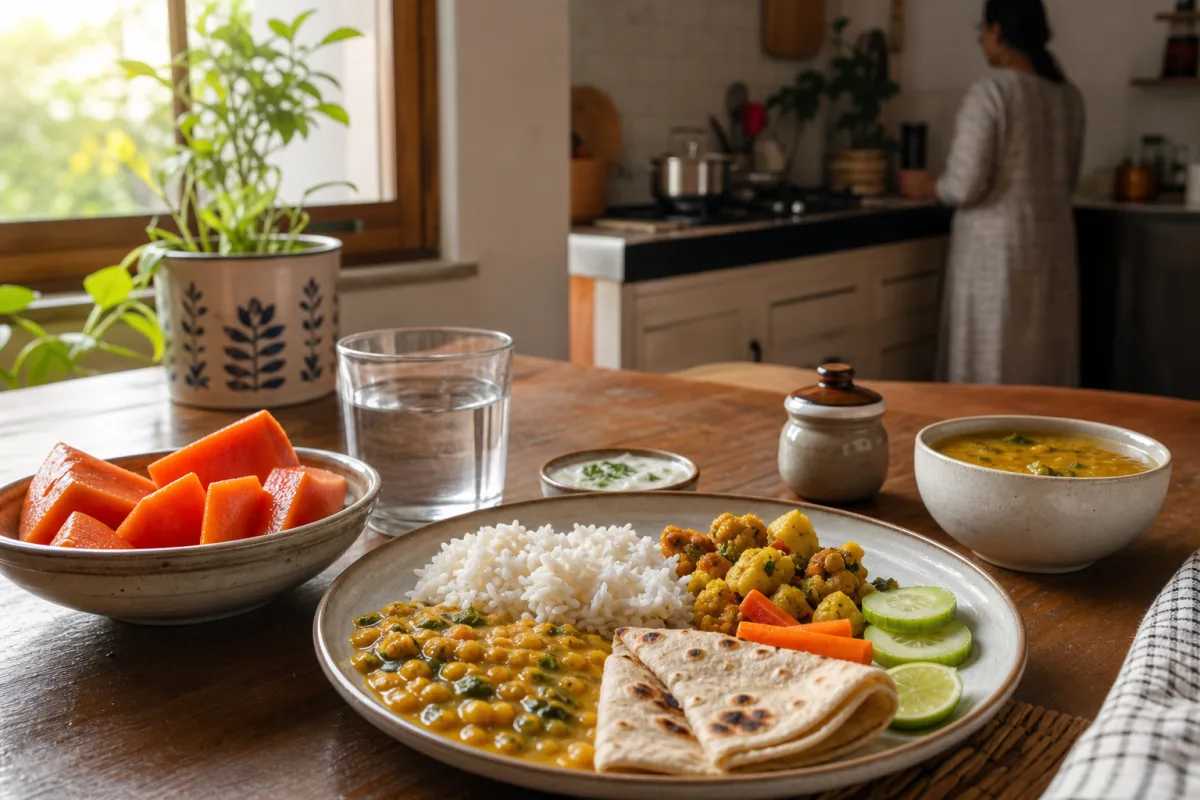
Papain, lipase and amylase are three digestive enzymes that help break down proteins, fats and carbohydrates respectively, so nutrients can be absorbed more easily. Your body already makes versions of these enzymes naturally, mainly in the pancreas, stomach and mouth. Understanding what each one does can help you make sense of why they turn up in supplements and food labels.
What are digestive enzymes, in simple terms?
Digestion is essentially a breakdown job. The food you eat, whether it's a plate of rajma-chawal or a simple bowl of curd rice, is made up of large, complex molecules that the body cannot absorb as they are. Enzymes act like tiny scissors, cutting these large molecules into smaller pieces that can pass through the gut wall into the bloodstream.
Each major nutrient group has its own dedicated enzyme, or family of enzymes:
- Proteins are broken down by protease-type enzymes, such as papain.
- Fats are broken down by lipase.
- Carbohydrates and starches are broken down by amylase.
These enzymes work at different points in the digestive tract, and their activity can be affected by factors such as age, certain health conditions, and the composition of a meal.
Papain: the protein-digesting enzyme from papaya
Papain is a protease enzyme extracted from raw papaya, particularly from the latex of the unripe fruit. It works by helping to break down protein molecules into smaller peptides and amino acids. This is one reason raw papaya is traditionally used as a meat tenderiser in many Indian kitchens; the same enzymatic action that softens tough meat fibres is thought to assist protein breakdown in digestion.
Papain is a popular ingredient in digestive enzyme blends because it is plant-derived, which fits well with vegetarian formulations. Research on papain's role in human digestion is still developing, and results are not uniform across all studies, so it is best viewed as a supportive ingredient rather than a fix for any digestive condition.
Where papain comes from
Beyond supplements, papain is naturally present in raw papaya. Ripe papaya contains much lower levels, since the enzyme content changes as the fruit matures. This is why papaya-based home remedies for digestion in India traditionally use the raw or semi-ripe fruit.
Lipase: helping the body process dietary fat
Lipase enzymes are responsible for breaking down dietary fats (triglycerides) into fatty acids and glycerol, which the body can then absorb and use for energy, cell function and hormone production. The pancreas is the main source of lipase in the body, though small amounts are also produced in the stomach.
Fat digestion becomes especially relevant with the kind of rich, ghee- or oil-heavy meals common in festive or celebratory Indian cooking. When a lot of fat arrives in the gut at once, having adequate lipase activity may help the process feel less heavy. This does not mean lipase supplements allow unlimited rich food; they are simply meant to support what the body already tries to do.
Amylase: unlocking energy from carbohydrates
Amylase begins its work the moment food enters the mouth, as saliva contains an amylase enzyme that starts breaking down starches such as rice, roti, and potatoes into simpler sugars. Further amylase is released by the pancreas into the small intestine to continue this process.
Given that a large part of the traditional Indian plate, rice, wheat, millets, is carbohydrate-based, amylase plays a central, everyday role in energy metabolism. Most healthy people produce more than enough amylase for a typical diet, though production can vary with age and certain health conditions.
Papain vs lipase vs amylase: a quick comparison
| Enzyme | Nutrient it acts on | Natural source in the body | Common food source |
|---|---|---|---|
| Papain | Proteins | Not produced by the body; plant-derived | Raw papaya |
| Lipase | Fats | Pancreas, stomach | Not commonly found in significant amounts in everyday foods |
| Amylase | Carbohydrates/starches | Salivary glands, pancreas | Sprouted grains, malted foods |
Do Indians need extra digestive enzymes?
For most healthy adults eating a varied, balanced diet in line with ICMR-NIN dietary guidelines, the body's own enzyme production is generally sufficient. However, some situations may make people more curious about enzyme support:
- Frequent consumption of heavy, oily or festive meals
- A fast-paced work schedule with irregular or rushed eating
- Occasional bloating or a feeling of heaviness after large meals
- Reduced enzyme production associated with ageing
It's worth noting that digestive enzyme supplements are not a treatment for medical digestive disorders such as pancreatitis, coeliac disease or irritable bowel syndrome. Anyone with ongoing digestive symptoms, unexplained weight loss, or a diagnosed condition should consult a doctor rather than self-treating with supplements.
Digestive enzymes are sometimes included alongside pre- and probiotic strains in general wellness formulations, since both relate to gut function, though they work through different mechanisms. If you're curious how these fit together, our article on probiotics and multivitamins together explains the difference between enzymes and probiotics in more detail.
How diet and lifestyle support natural enzyme activity
Beyond supplements, a few everyday habits are commonly associated with healthier digestion in general nutrition guidance:
- Eating meals at consistent times rather than skipping and overeating later
- Chewing food thoroughly, which gives salivary amylase more time to act
- Including raw fruits like papaya or pineapple as part of a varied diet
- Staying adequately hydrated, particularly in India's warmer climate
- Limiting very large, heavily fried meals eaten in a hurry
These habits work alongside, not instead of, the body's natural enzyme systems. A multivitamin or enzyme supplement is meant to complement such habits, never replace them. If you're wondering when best to take a daily supplement in relation to meals, see our guide on multivitamin before or after food.
Digestive enzymes in a broader daily wellness routine
Many Indian men take a daily multivitamin to help cover gaps in a varied but sometimes inconsistent diet, particularly around vitamin D, B12 and certain minerals. Digestive enzymes are sometimes included in such formulations as a complementary element, aimed at supporting comfortable digestion of the meal the tablet is taken with, rather than as a standalone digestive treatment. NutraGap's daily multivitamin, for instance, combines vitamins, minerals and amino acids with a small blend of digestive enzymes, including papain, lipase and amylase, alongside pre- and probiotic strains.
If you're still deciding whether a daily multivitamin is worth adding to your routine at all, our article Do Indian Men Need a Daily Multivitamin? looks at the diet data behind that question.
The bottom line
Papain, lipase and amylase are three well-established digestive enzymes that help the body break down protein, fat and carbohydrates. Most healthy people with a balanced Indian diet produce enough of these enzymes naturally, but heavy meals, busy schedules, or ageing may be reasons some people look at enzyme-containing supplements as a complement to their diet. These enzymes are not a treatment for digestive disease, and persistent symptoms should always be checked by a doctor. Simple habits, eating slowly, staying hydrated, and including foods like raw papaya, support the same digestive processes these enzymes are involved in.
Frequently asked questions
Can digestive enzymes help with bloating after meals?
Some people report less bloating and heaviness when taking digestive enzymes with heavy or rich meals, as the enzymes may assist the body's own digestive process. Evidence is mixed and individual response varies, so it's not a guaranteed fix. If bloating is frequent or severe, please see a doctor to rule out other causes.
Are papain, lipase and amylase safe for daily use?
For most healthy adults, these enzymes are considered well tolerated at typical supplement doses, as they resemble enzymes the body already produces. However, anyone with a digestive disorder, on medication, or pregnant should check with a doctor before starting any supplement.
Do I need enzyme supplements if I eat a normal diet?
Most healthy people with a balanced diet produce enough of their own digestive enzymes. Supplements are generally aimed at those who eat heavy, oily or protein-rich meals often, or who notice sluggish digestion, rather than being a universal requirement.
What foods naturally contain these enzymes?
Raw papaya is a well-known natural source of papain. Pineapple contains a related enzyme called bromelain. Sprouted grains and some fermented foods like idli or dosa batter may also support the body's digestive processes, alongside amylase naturally present in saliva.
Can enzyme supplements replace a doctor's advice for digestive problems?
No. Digestive enzyme supplements are meant to complement a varied diet and are not a treatment for medical conditions such as pancreatic insufficiency, IBS or ulcers. Persistent digestive symptoms should always be discussed with a qualified doctor.
NutraGap Men's Daily Multivitamin
13 vitamins, 8 minerals, 5 amino acids, pre-probiotics and digestive enzymes in one tablet a day.
This article is general information, not medical advice. Nutrient needs vary with age, health and medication. Speak to a doctor or registered dietitian before starting any supplement.