Vitamins
Vitamin B12 for Vegetarians: How to Close the Gap
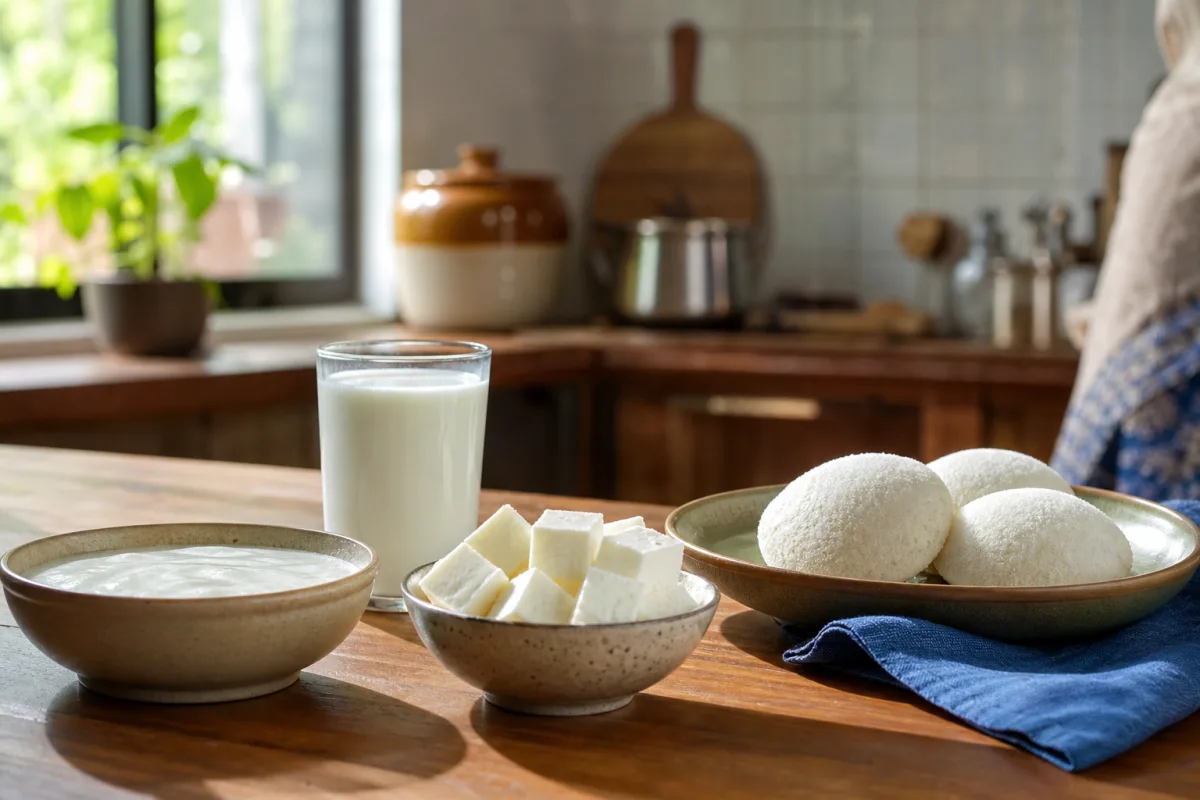
Vegetarians in India are at higher risk of vitamin B12 deficiency because the vitamin occurs reliably only in animal foods, and Indian dairy portions often aren't enough to cover daily needs. Closing the gap usually means combining dietary tweaks, fortified foods where available, and in many cases a supplement, ideally after checking your levels with a doctor.
Why vegetarians are especially at risk
Vitamin B12 is made by bacteria, not by plants or animals themselves. Animals accumulate it in their tissues and milk after these bacteria act in their gut, which is why meat, fish, eggs and dairy are the dependable dietary sources. Plant foods, by contrast, contain little to no B12 unless they've been fortified.
This matters a great deal in India, where a large share of the population follows a vegetarian diet by culture, religion or personal choice. Even those who consume milk and curd regularly can end up with borderline or low B12, because the amount naturally present in a typical glass of milk or bowl of curd is smaller than many people assume, and cooking or boiling can further reduce it.
Studies from Indian hospitals and research institutions have repeatedly found that a notable proportion of vegetarians, including many who have never eaten meat, show low or borderline B12 levels on blood tests. This isn't a fringe issue; it's a well-documented pattern.
What B12 actually does in the body
Vitamin B12 is involved in red blood cell formation, DNA synthesis and the healthy functioning of nerve cells. It also works alongside folate in some of these processes, which is why a deficiency in one can sometimes mask or worsen problems related to the other.
When B12 runs low over time, the body can struggle to make normal red blood cells, and nerve signalling may be affected. This is why deficiency symptoms often show up as tiredness alongside tingling or numbness in the hands and feet, though these signs can also point to other conditions and shouldn't be self-diagnosed.
Common signs people notice
- Persistent fatigue or low energy that doesn't improve with rest
- Tingling, numbness or a "pins and needles" feeling in hands or feet
- Difficulty concentrating or a general sense of mental fog
- Pale or slightly yellowish skin tone
- Mood changes, including low mood, in some cases
None of these symptoms confirm B12 deficiency on their own. A blood test is the only way to know for certain, and it's worth discussing with a doctor if you notice several of these together, especially if you've been vegetarian for years.
Food sources: what actually helps
For strict vegetarians, dietary options are more limited than for those who eat eggs or fish, but they aren't zero. The table below gives a general sense of how common foods compare, though exact values can vary by brand, season and preparation.
| Food | Typical B12 contribution | Practical notes |
|---|---|---|
| Milk (cow, one glass) | Moderate | One of the more reliable vegetarian sources, but easy to under-consume |
| Curd/yoghurt | Low to moderate | Contributes a little; unlikely to meet needs alone |
| Paneer and cheese | Low to moderate | Useful addition but portions are usually small |
| Eggs | Moderate | A good option for ovo-vegetarians |
| Fortified breakfast cereals | Variable, sometimes high | Check the label; fortification varies by brand |
| Fortified plant milks | Variable | Not all brands sold in India are fortified with B12 |
| Vegetables, fruits, grains, pulses | Negligible | Not meaningful natural sources of B12 |
As the table shows, strict vegetarians who avoid eggs and rely mainly on plant foods have very few reliable natural sources. This is the core of the "vegetarian B12 gap" that researchers and dietitians talk about.
Practical ways to close the gap
1. Be deliberate about dairy
Rather than assuming a splash of milk in tea counts, aim for a full glass of milk or a generous bowl of curd as a standalone part of a meal, most days of the week, if your diet and any lactose sensitivity allow it.
2. Add eggs if you're ovo-vegetarian
If eggs are part of your diet, they're a genuinely useful and affordable B12 source, and including them a few times a week can make a real difference over time.
3. Check labels on fortified foods
Some cereals, plant-based milks and nutritional yeast products sold in India are fortified with B12. Look specifically for "B12" or "cyanocobalamin" on the ingredients list, since fortification isn't universal even within the same product category.
4. Get tested before assuming
Because symptoms are vague and dietary intake is hard to estimate accurately, a simple blood test gives far more clarity than guesswork. This is particularly worth doing if you've been vegetarian for a long time, are over 50 (absorption naturally declines with age), or take medicines like metformin or long-term acid reducers, both of which can affect B12 absorption.
5. Consider a supplement thoughtfully
Where diet and fortified foods don't fully close the gap, a B12 supplement, either standalone or as part of a broader multivitamin, is a reasonable and widely used option. B12 is water-soluble, and the body tends to excrete what it doesn't need, which gives it a reasonably wide safety margin, though very high, unsupervised dosing still isn't something to do without reason.
Many general daily multivitamins formulated for Indian men include B12 alongside other nutrients that vegetarian diets can also fall short on, such as vitamin D, iron, zinc and omega-related nutrients. If you're weighing up whether a daily multivitamin makes sense for your diet overall, our article on whether Indian men need a daily multivitamin looks at this in more detail using diet-pattern data.
How B12 fits with other common Indian gaps
B12 rarely travels alone. Vegetarians who are low in B12 often also run low on iron, vitamin D and, in the case of strict vegans, calcium, simply because these nutrients cluster in the same food groups that are limited or absent from the diet. Indoor work patterns and limited midday sun exposure add another layer, particularly for vitamin D; you can read more about that specific issue in our piece on vitamin D deficiency in Indian men.
This is one reason ICMR-NIN's dietary guidelines emphasise a varied plate rather than relying on any single food group, and why doctors often check several markers together rather than testing B12 in isolation.
When to see a doctor
Please consult a doctor rather than self-treating if you have:
- Ongoing tingling, numbness or balance problems
- Unexplained fatigue that persists for weeks
- A diagnosed condition affecting absorption, such as certain gut or thyroid disorders
- Been on long-term metformin or acid-reducing medication
- Plans for pregnancy, or are currently pregnant or breastfeeding
A doctor can order the right blood tests, interpret them alongside your symptoms and history, and recommend a dose or approach suited to you. Supplements are meant to complement a varied diet, not replace medical advice or treatment.
Where a multivitamin can help, realistically
For vegetarians who find it hard to consistently hit their B12 needs through food alone, a daily multivitamin that includes B12 in a reasonable, well-absorbed form can be a convenient safety net. NutraGap's daily multivitamin for men, for instance, includes B12 among its 13 vitamins, alongside other nutrients that vegetarian diets commonly run short on. It's not a substitute for eating well, and it won't undo the effects of a genuinely poor diet, but it can help cover ordinary day-to-day shortfalls when paired with sensible eating habits.
The bottom line
Strict vegetarian diets rarely provide enough vitamin B12 from food alone, and even regular dairy consumption often isn't sufficient. The most reliable approach is to be intentional about dairy or eggs, check labels on fortified foods, get a blood test if you're unsure, and consider a supplement where the gap remains, ideally with a doctor's input if you have any underlying health conditions or take regular medication. Small, consistent habits do more good here than occasional large doses.
Frequently asked questions
Can vegetarians get enough B12 from milk and curd alone?
Dairy contains some B12, but typical Indian intake of milk and curd often falls short of daily needs, especially if portions are small or milk is diluted. Many lifelong vegetarians still test low despite regular dairy consumption, so it's worth checking levels rather than assuming dairy covers the gap.
Are fortified foods reliable for B12 in India?
Some breakfast cereals, plant milks and nutritional yeast sold in India are fortified with B12, and these can help. However, fortification levels vary by brand and aren't guaranteed on every product, so checking the label each time is important.
How do I know if I'm B12 deficient?
Common signs include fatigue, tingling in hands or feet, memory fog and pale skin, but these are non-specific and overlap with other conditions. A simple blood test ordered by a doctor is the only reliable way to confirm a deficiency.
Is a B12 supplement necessary for all vegetarians?
Not necessarily for everyone, but strict vegetarians and vegans are at meaningfully higher risk than those who eat eggs, fish or meat regularly. A doctor or dietitian can help decide whether dietary changes, fortified foods or a supplement suit your situation.
Can too much B12 from supplements cause harm?
B12 is water-soluble and considered to have a good safety margin, with excess generally passed out in urine. Still, very high doses aren't automatically better, and anyone on medication or with a health condition should check with a doctor before starting supplements.
NutraGap Men's Daily Multivitamin
13 vitamins, 8 minerals, 5 amino acids, pre-probiotics and digestive enzymes in one tablet a day.
This article is general information, not medical advice. Nutrient needs vary with age, health and medication. Speak to a doctor or registered dietitian before starting any supplement.